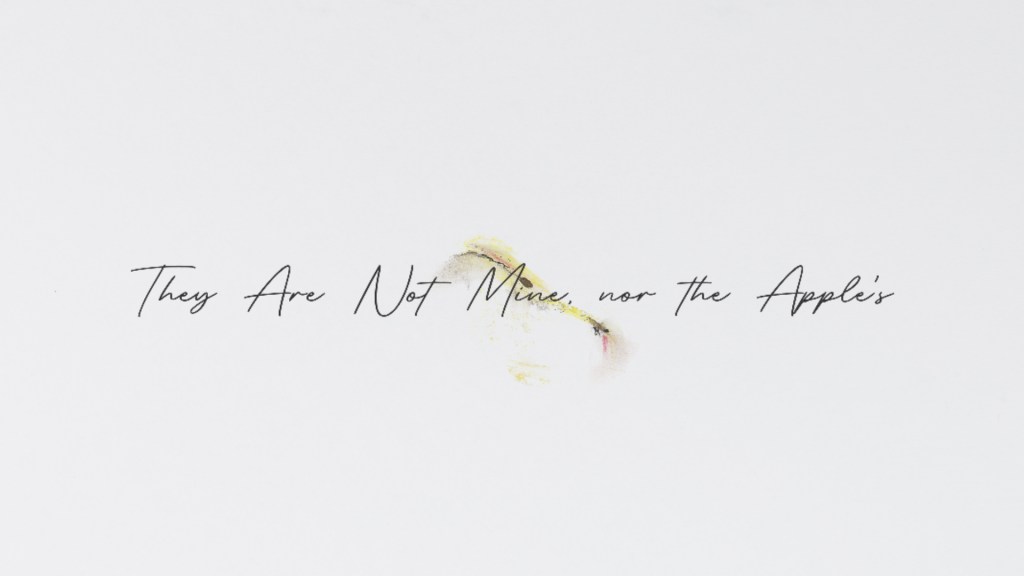
They Are Not Mine, nor the Apple’s
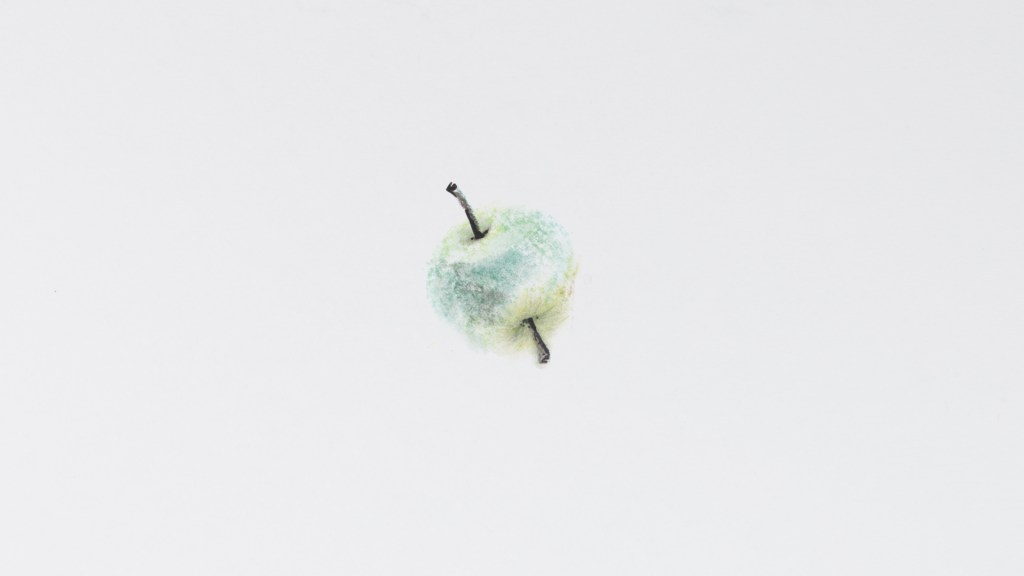
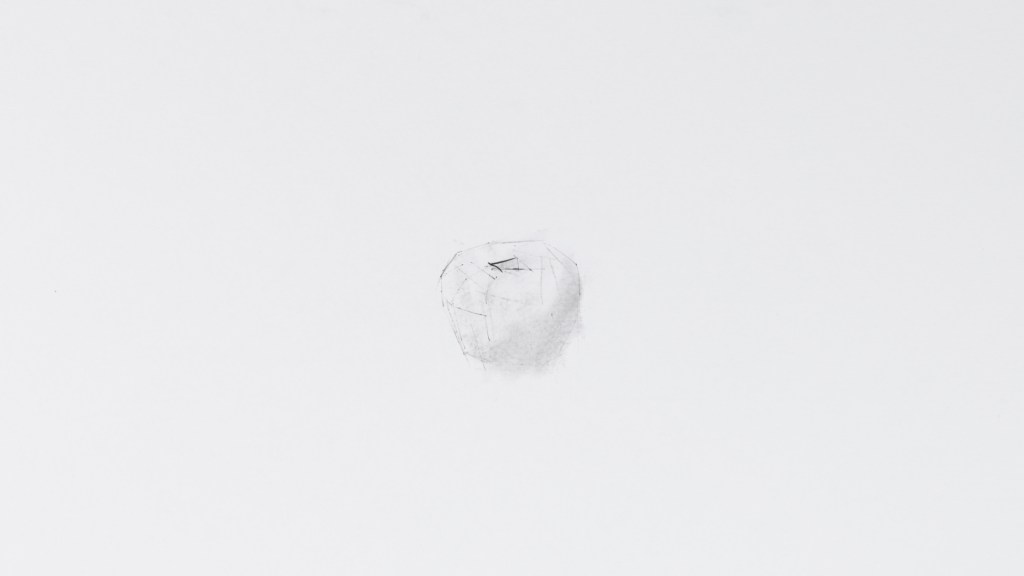
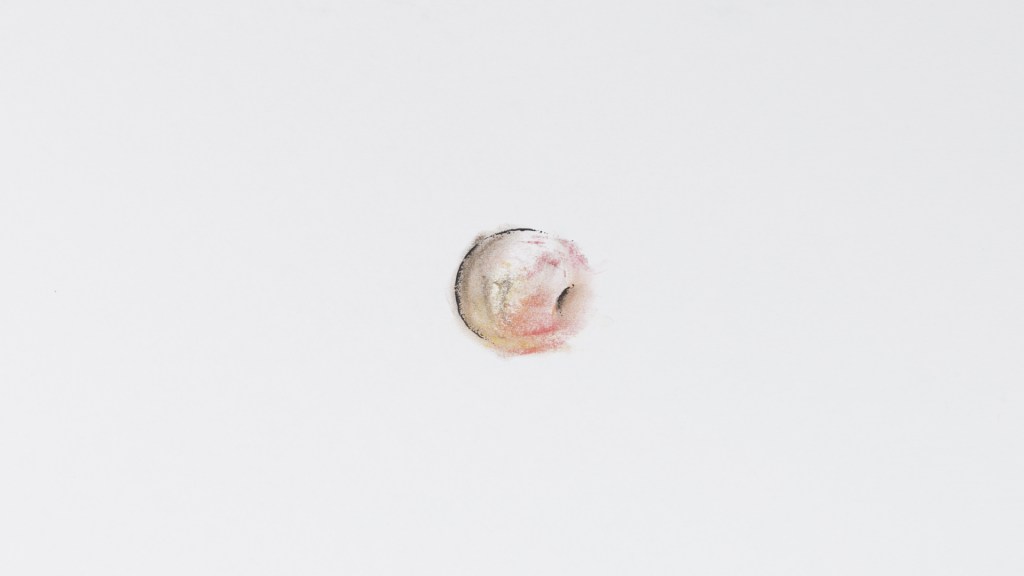
Synopsis I perceive an apple and the apple is there.
Technique: Pen, pencil, colour pencil, charcoal and soft pastel on paper
Duration: 2:00 min
Year: 2023
They Are Not Mine, nor the Apple’s: Perceptual Intermediacy
In the traditional mind-brain identity hypothesis, sensations/experience may simply be properties of physical objects in the external world. In direct realism, the commonsense views that everyday objects exist independently of perceivers. The naïve direct realism claims that objects have all the properties that we usually have. While the scientific direct realism is often discussed in Locke’s distinction between primary and secondary qualities and claims that unperceived objects should not be conceived as retaining them. The naïve and scientific direct realism differ in the properties they claim the objects of perception possess when they are not being perceived.
In the indirect realism, through perception the perceiver does not directly engage with the objects. There is a perceptual intermediacy that comes between them. Sense data are mental objects that possess properties. Perception is a mediated process. The reduction of experience to the properties of physical objects and the subjective variabilities are inevitable. We can perceive them only when the object’s intermediacy is perceptually accessible.
Credit
Animation l Thanut Rujitanont
Supporter l Aalto University
Producer l Graphy Animation
Reference
Manzotti, R. (2019) ‘Mind-object identity: A solution to the hard problem’, Frontiers in Psychology, 10. doi:10.3389/fpsyg.2019.00063.
(No date) Internet encyclopedia of philosophy. Available at: https://iep.utm.edu/perc-obj/ (Accessed: 23 August 2023).
 Home
Home 